


Posted in West Virginia, tagged MakeWinterGreatAgain, snowzilla on January 23, 2016|
Posted in West Virginia, tagged Eastern cottontail rabbit, Eastern gray squirrel, Eastern wild turkey, snow, winter on January 18, 2016|

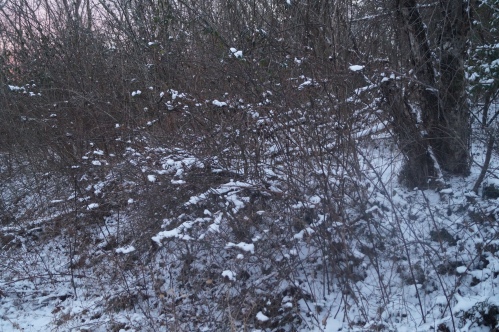
Gray squirrel track:



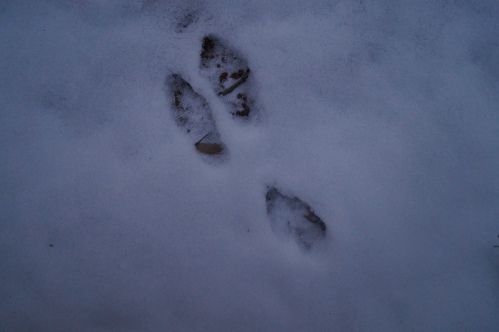
Rabbit tracks:

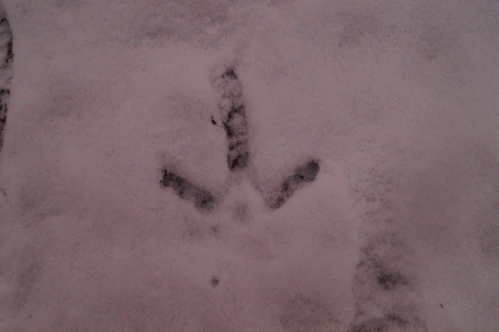
Turkey tracks:

Winter sunset:

Posted in West Virginia, tagged collie, Farm collie, Shetland pony on December 21, 2015| 1 Comment »
This is me on Ginger Ale with Bull the farm collie in the background:

The photo was taken in my grandparents’ backyard.
Posted in Uncategorized, West Virginia on December 19, 2015|
We got a little dusting of snow, and it’s likely the only snow we’re going be getting for a while. (Last year, we were about to plunge into polar conditions).

Posted in birds, Carnivorans, West Virginia, tagged bobcat, domestic duck, Eastern wild turkey, fall foliage, Pekin duck, quaking aspen, Rouen duck, wild turkey on October 26, 2015| 4 Comments »
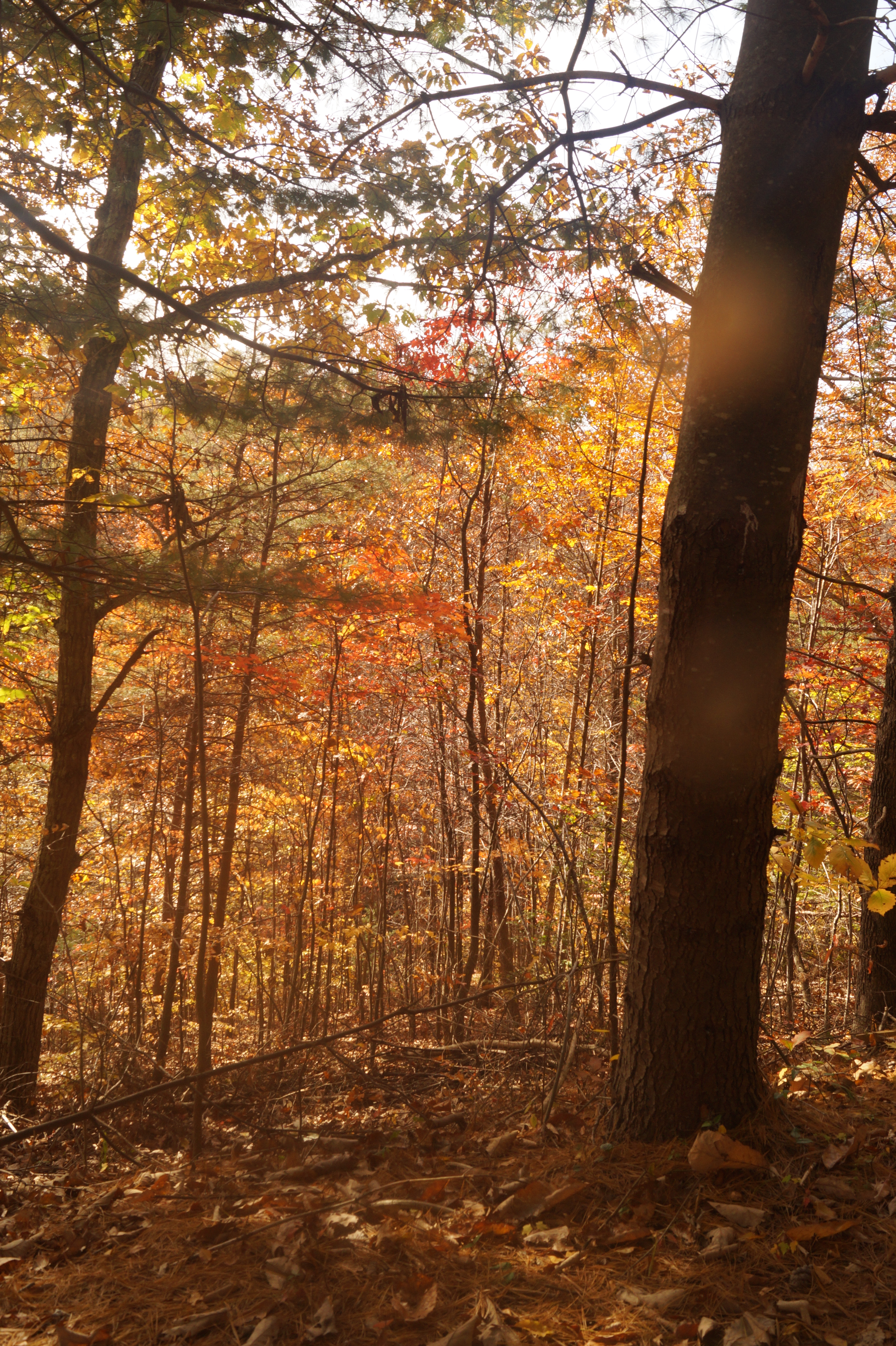
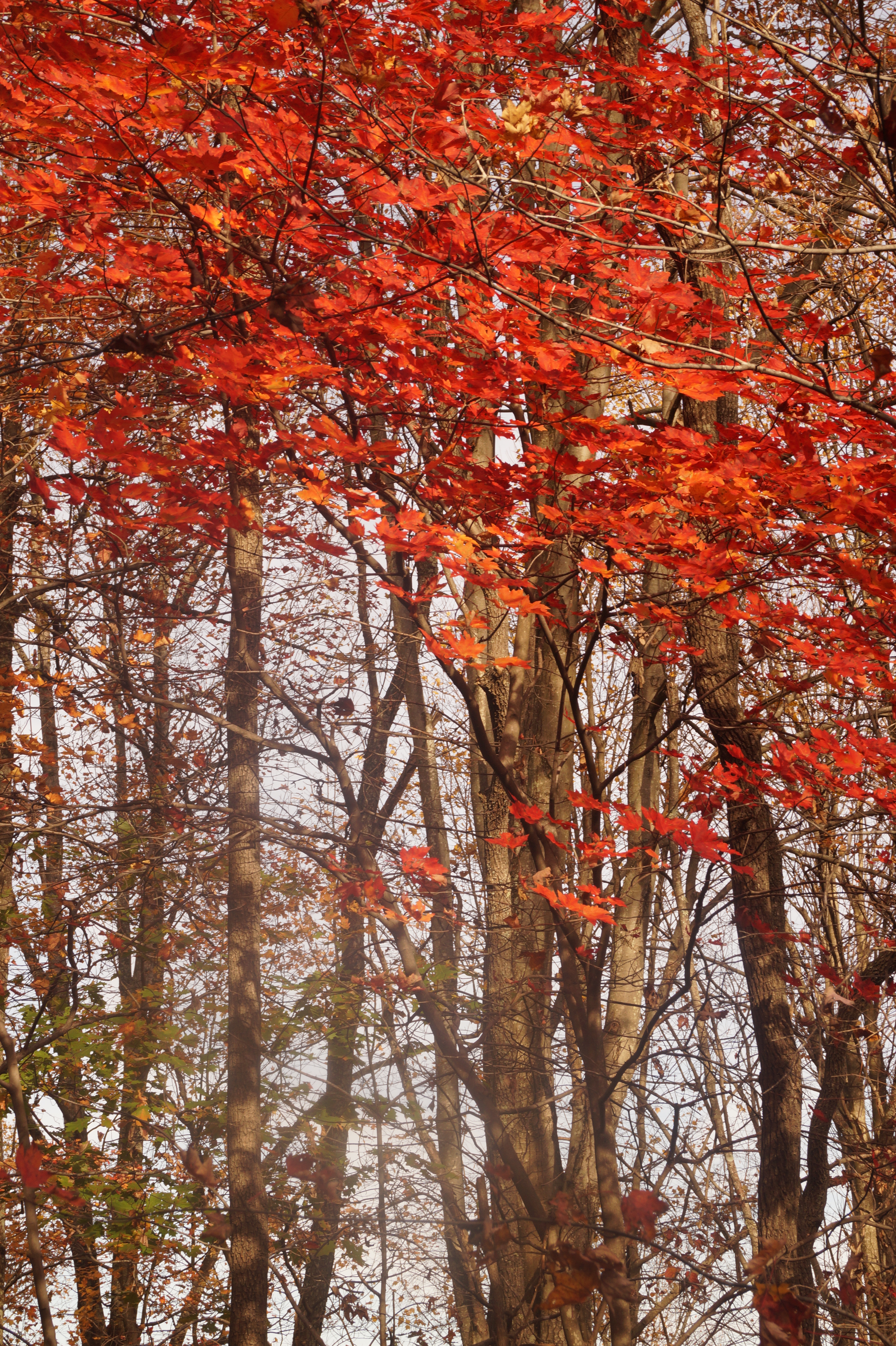
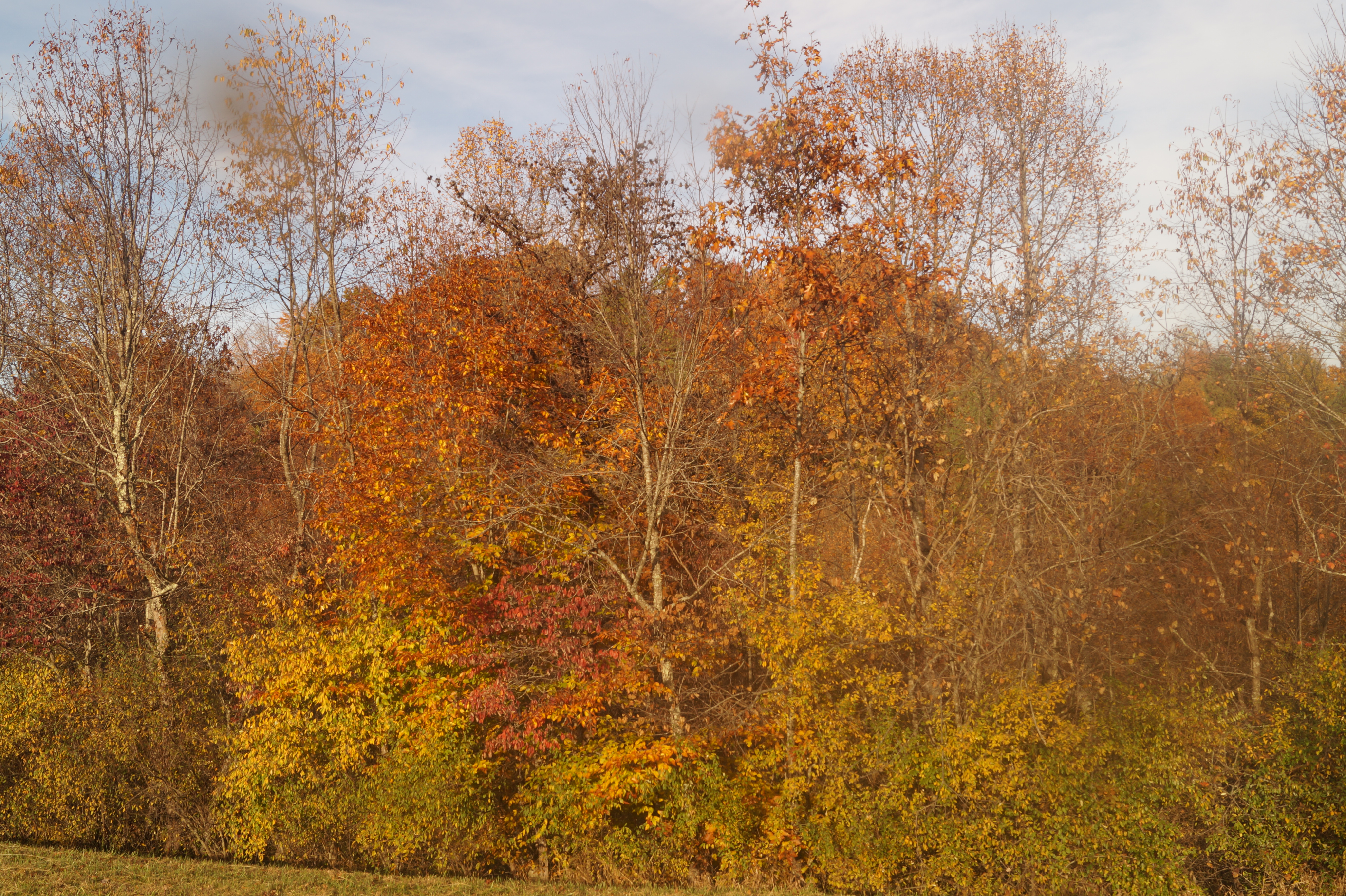
The last flame of autumn:


(I don’t know why he went into eclipse! He’s too young!)
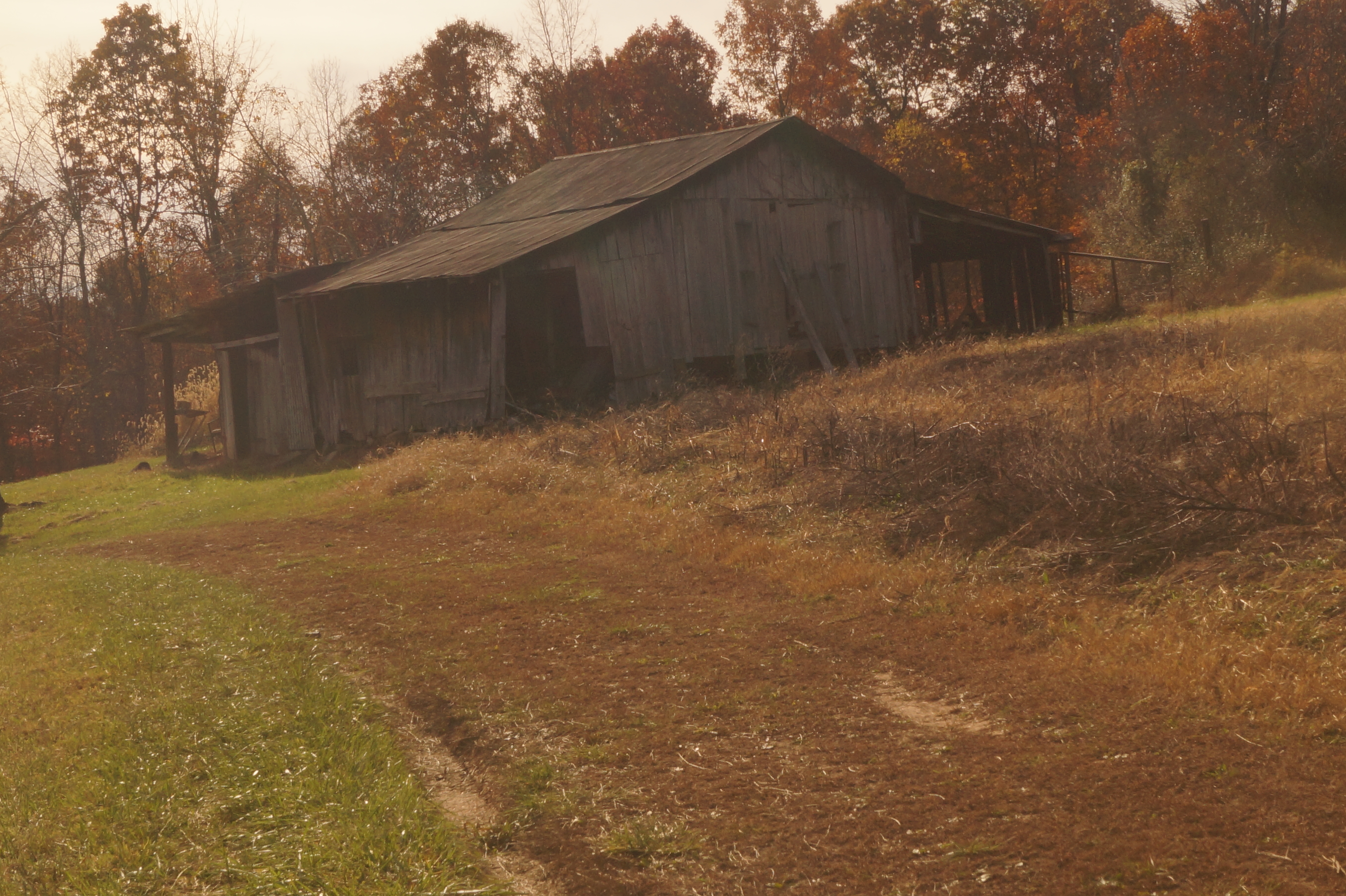
Bobcat track. You’ve already seen the bobcat, though:


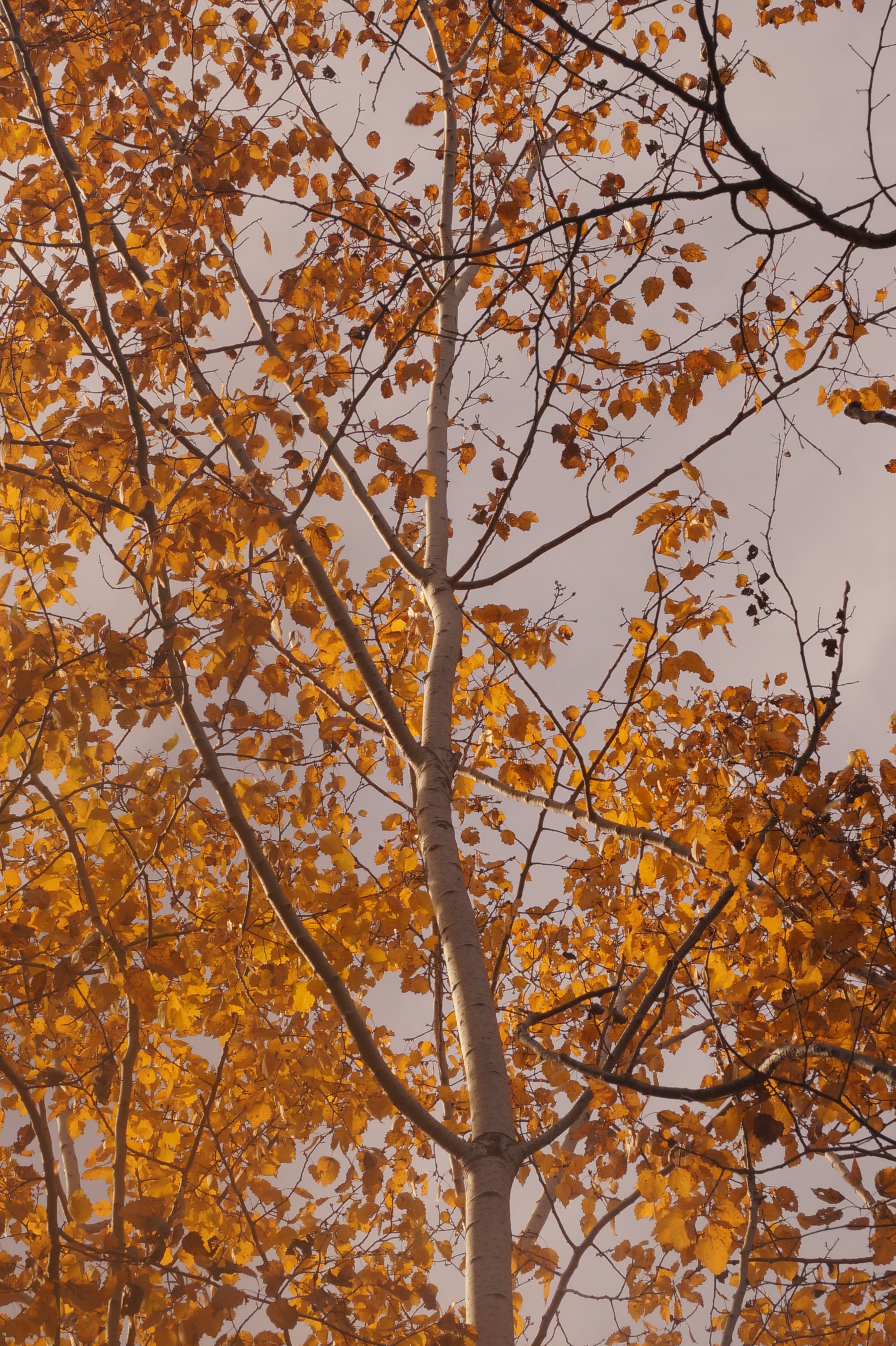
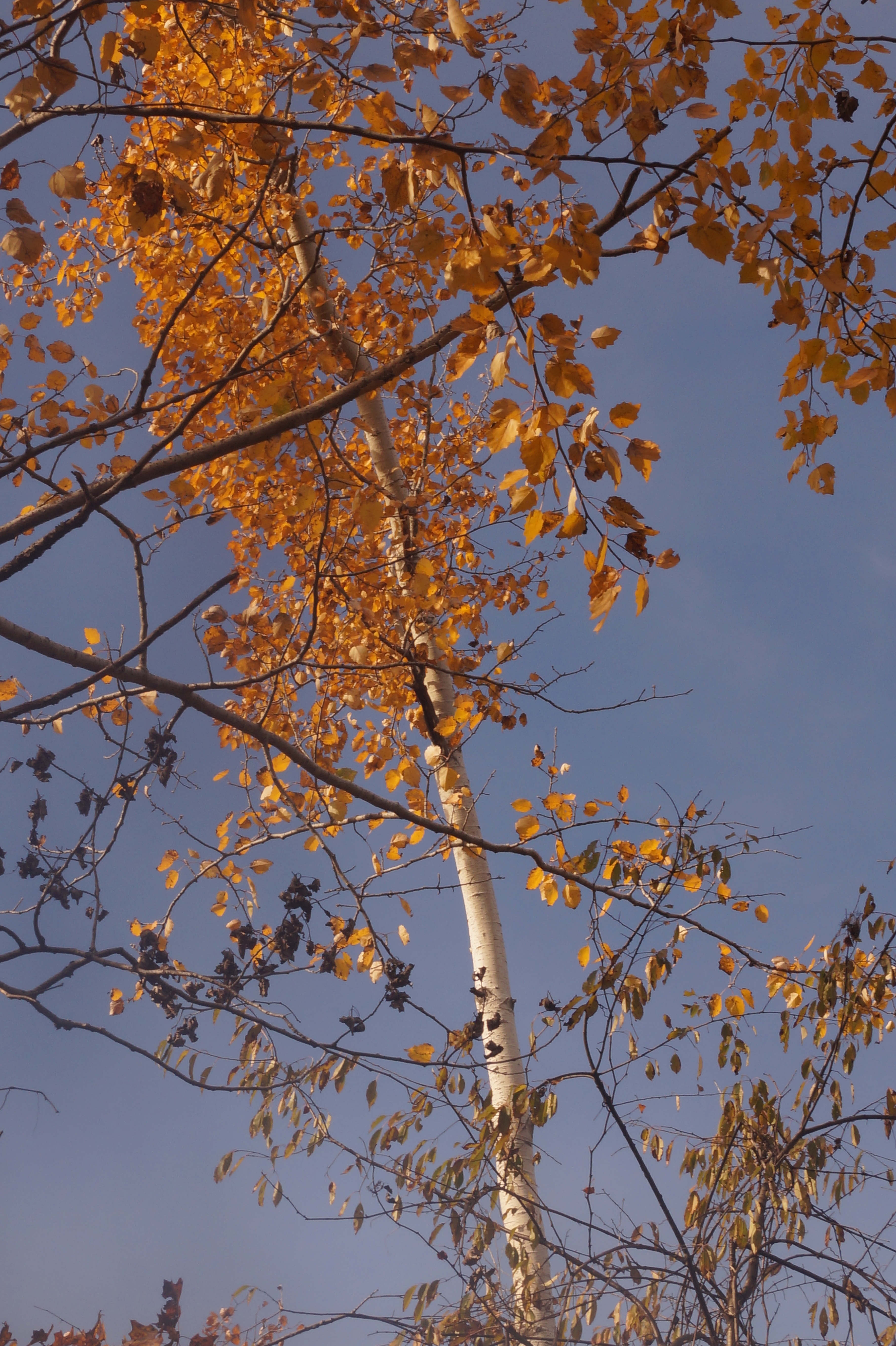
Quaking aspens against a blue sky:
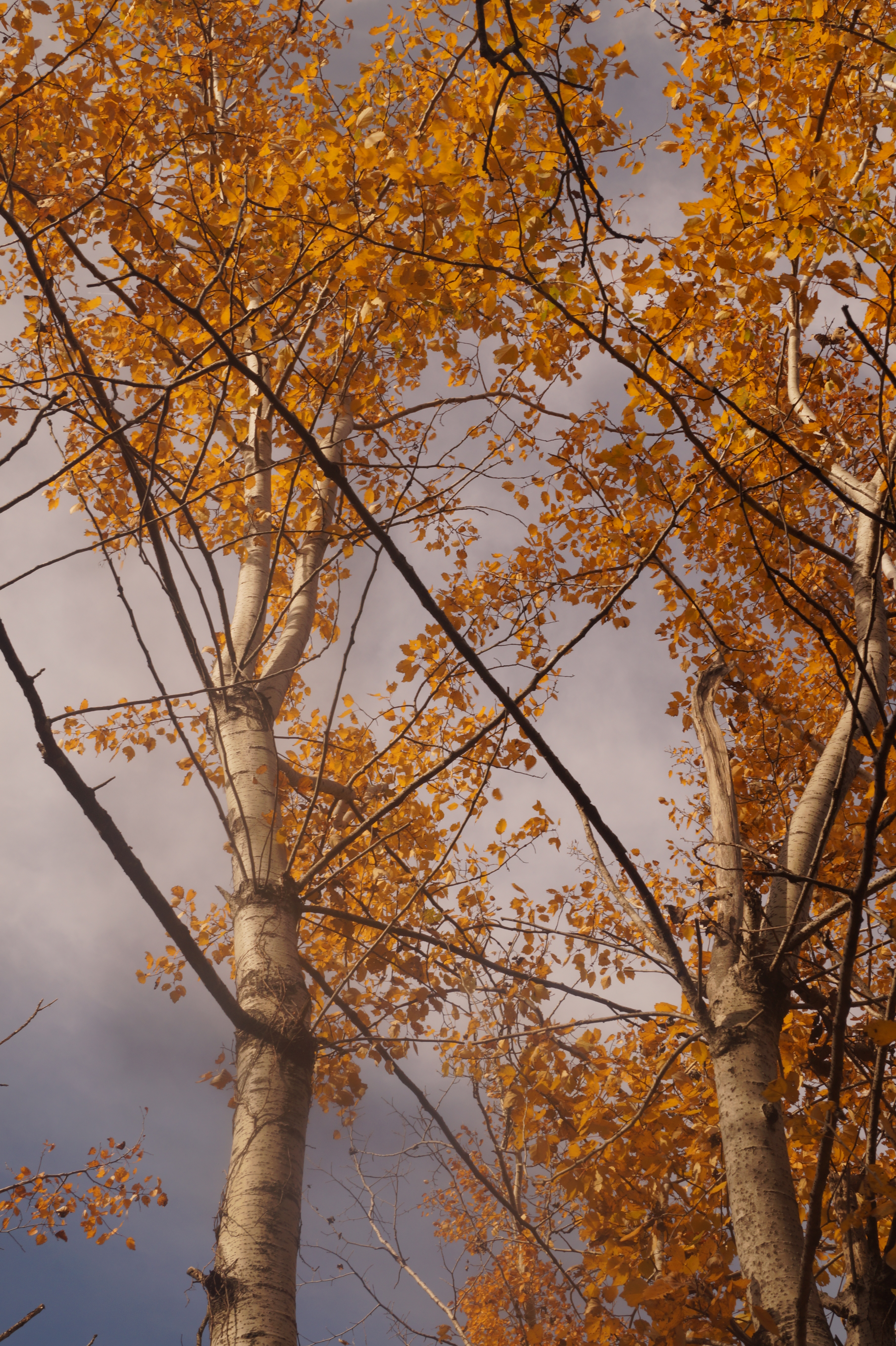


Wild turkeys trying to hide:




Posted in West Virginia, tagged frost on October 18, 2015| 4 Comments »
There was a hard frost last night.


Posted in West Virginia, tagged autumn, autumn leaves, fall foliage on October 3, 2015|
The leaves started to change en masse last weekend. I forgot to upload the photos from the camera, but I remembered to do it today. Enjoy.


Posted in West Virginia, tagged hay, hay bales, round bales on July 12, 2015|
The hay has now been baled up into round bales.


Posted in West Virginia, tagged hay on July 5, 2015| 1 Comment »


The guys who cut the hay always come this field a little late. As per tradition, the first cuttings start on Memorial Day weekend, provided it’s not too wet.
And the hay-cutters start with the hayfields along the river bottoms first, and when those are cut, attention turns to the old ridge and hill pastures.
By July, the grass has had time to grow tall. The timothy and orchard grass have gone to seed, and large swathes of the pasture are as golden as the Serengeti. When I was a child I imagined that lions stalked the tall grass in summer and that zebras and wildebeest would soon good roaring by on their migration.
But when the hay-cutters come, the grass is felled. Their mowing machines gut the grass at the base, so the long stalks fall neatly in rows to cure in the parching July sun.
Baling will come soon and then someone will drive a pickup around the field, while high school-age boys run out and fetch the the various bales.
It will be a lot of work in the hot sun. Lots of sweat will be poured.
It is work in the heat to capture the product of photosynthesis in high summer. It is captured to feed the hoofed stock that will find itself utterly dependent upon the product of man to survive the austere months of winter.
But giving those animals sustenance during the winter means causing a disaster for just about everything else that dwells within the summer grass. The machine killed lots of things today. Little cottontails were chopped to bits. Insects were torn asunder. Any box turtles that had the misfortune of being in the wrong place at the wrong time were sliced up. Their hard shells wouldn’t be any defense against the sharp blades.
For the scavengers, this will be a repast of epic proportions. Over the next few nights, the foxes, the raccoons, coyotes, and opossums will be sifting through the felled stalks of grass. During the day, the turkey vultures will hold court over scene of death and destruction, but the ravens and crows will get their digs in, too.
On the opposite side of the hayfield, I saw a raven pecking away at some morsel of something, and with camera in hand, I tried to get a drop on it. It saw me took to the sky, sailing into the woodland where its confederates greeted it with guttural croaks. They were about to have a raven party, and I just happened to spoil it for them.
When the hay is felled, it is obvious that high summer’s days are winnowing away. We’ll slowly sink into the Dog Days, then the balmy sweetness of September, the fiery orange and crimson of October, the bleakness of November, and short days and long nights of snow and cold.
The edict of summer is to be fruitful and multiply.
It soon will be gone.
In the temperate zone, it’s all ephemeral. As soon as the snow falls, it has melted away into mud. As soon as the grass grows tall in the fields, it is cut down for hay.
It all just courses away.
Posted in West Virginia, tagged boulder, sandstone on June 22, 2015|

In the Allegheny Plateau, sandstone boulders are pretty common. The stone itself is pretty old (Upper Carboniferous), but it wasn’t so long ago that cattle and sheep grazed around these rocks.
They are now are just rocks among the trees.
« Newer Posts - Older Posts »


 | markgelbart on Retiring this Space |
 | oneforestfragment on Retiring this Space |
 | The Evolving Natural… on So does the maned wolf break t… |
 | SWestfall3 on So does the maned wolf break t… |
 | Ole Possum on So does the maned wolf break t… |



